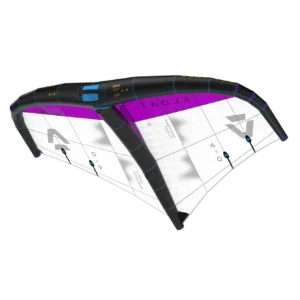
Float
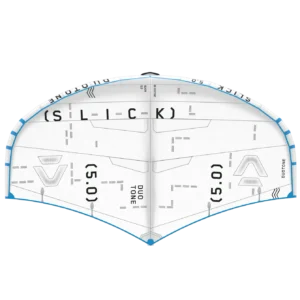
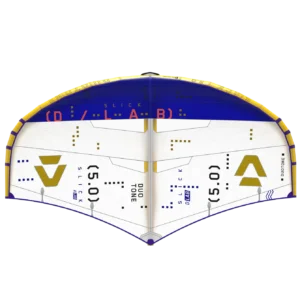
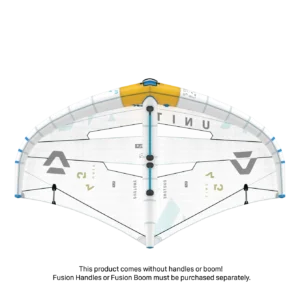
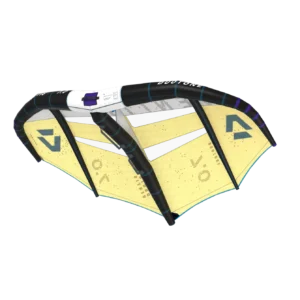
700,00 €Ride Lighter, Fly Farther: duotone Float Wing Effortless Lift. Smooth Control. Progress Starts Here. If you’re searching for a wing that makes every breeze count, then the duotone Float Wing is exactly what you need. Not only is it built for light wind performance, but it also offers intuitive control and smooth handling—perfect for long sessions and rapid progression. Whether you’re just starting out or looking to extend your rideable wind range, this wing delivers reliable lift, excellent balance, and unmatched comfort. Why the Float Wing Is a Light Wind Game-Changer Optimized Design for Early Lift and Efficient Gliding To begin with, the duotone Float Wing features a high-lift profile specifically designed to catch even the softest gusts. Because of this, you’ll spend less time pumping and more time foiling—even in marginal conditions. Furthermore, the increased canopy area and smart shaping ensure that the wing powers up quickly while remaining stable. Moreover, this light wind performance doesn’t come at the cost of control. Instead, it enhances your session by making starts easier and rides longer. Consequently, you’ll ride when others are stuck on shore—unlocking more water time without changing your setup. Duotone Float Wing Exceptional Drift and Balanced Power Delivery Additionally, the Float Wing is fine-tuned for steady pull and excellent drift. So, when you’re riding waves or cruising downwind, the wing feels nearly weightless. Because it flags out effortlessly, you can shift focus to your line, your foil, and your flow. In fact, the well-distributed power makes it easier to maintain balance and direction, especially during transitions or when changing stance. As a result, your learning curve gets shorter, and your confidence builds faster. Built to Be Rider-Friendly Perfect for New Riders and Light Wind Addicts Although the duotone Float Wing shines in the hands of advanced riders, it’s incredibly accessible for beginners. For example, its intuitive shape and smooth pull make water starts and basic transitions much easier. At the same time, the soft, balanced pressure reduces arm fatigue, allowing longer sessions and more consistent training. Moreover, because the wing is stable and predictable, it acts like a reliable partner—helping you progress without getting in the way. Whether you’re practicing tacks or figuring out upwind angles, the Float Wing gives you room to grow. Versatile Enough for Changing Conditions While the Float Wing is built for light wind, it also adapts as conditions shift. In fact, it handles gusts with ease, maintaining control without over-powering. Additionally, its compact wingspan improves handling during launching, turning, or riding in crowded spots. Therefore, you can enjoy more flexibility with less gear—and greater confidence in every condition.Mast Slim 2.0 D/LAB Maximize Every Breeze In conclusion, the duotone Float Wing is your ticket to riding more often, progressing faster, and feeling more connected to every session. With early lift, exceptional drift, and user-friendly handling, it redefines what light wind wings can do. duotone Float Wing Key Features Advanced sweep angle Low sweep angle positions the center of effort forward, allowing easy reach between front handle and boom for improved control. Optimized power distribution Size-specific tension adjustments ensure ideal drift, power, and stability across all wing sizes. Innovative canopy design Lower front canopy tension creates a deeper profile for increased power, with tailored stability for each size. More power Float delivers more power than same size Unithttps://www.facebook.com/profile.php?id=61574810708812&mibextid=wwXIfr duotone Float Wing Performance WAVE / DOWNWIND Drift / Lightweight JUMPING Lift / Hangtime FREESTYLE Handling / Rotations FREERIDE Comfort / Efficiency EASE OF USE Learn / Progress BUDGET FRIENDLY Affordable Duotone Float Wing – Safety Guidelines and Best Practices Riding the Duotone Float Wing is exhilarating, but safety should always remain a priority. By following recommended practices, riders ensure both their well-being and the longevity of the wing. Proper awareness, preparation, and equipment handling significantly reduce risks and create a more enjoyable experience for everyone. Pre-Session Safety Checks Before hitting the water, take time to inspect your equipment and environment: Wing inspection: Check canopy, seams, handles, and valves for wear or damage. Inflation check: Ensure proper pressure according to manufacturer guidelines. Personal flotation: Wear a life vest or buoyancy aid appropriate to your skill level. Weather assessment: Verify wind speed, direction, and potential environmental hazards. Area clearance: Identify obstacles, other water users, and shallow zones to avoid collisions. Performing these checks builds confidence and prevents preventable accidents. On-Water Safety Practices While riding, maintaining control and awareness is essential: Maintain a low, balanced stance: Bending knees slightly absorbs wave motion. Grip strategically: Use appropriate handles for stability, propulsion, and maneuvering. Monitor wind shifts: Adjust wing angle and body weight to respond to gusts or lulls. Keep distance: Allow safe space from other riders, boats, and fixed structures. Stay alert: Continuous attention ensures timely reactions to sudden environmental changes. Adhering to these practices helps riders manage risk without sacrificing enjoyment. Environmental Considerations Riders should always account for changing conditions: Wind range: Avoid extreme or unpredictable gusts that exceed your skill level. Water temperature: Wear protective gear such as wetsuits or drysuits to prevent hypothermia. Visibility: Use brightly colored wings or reflective gear in low-light or crowded environments. Tides and currents: Awareness of local water movements ensures safe navigation and launch/landing. Understanding environmental factors enhances safety and maximizes session performance. Emergency Preparedness Being prepared for emergencies reduces potential hazards: Know self-rescue techniques: Practice water recovery and swimming with the wing if necessary. Carry communication devices: Waterproof phones or radios help call for assistance in remote areas. Use a buddy system: Riding with a partner improves response times in case of accidents. Identify safe exit points: Always know where to land quickly if conditions change abruptly. Preparedness provides peace of mind and supports responsible, enjoyable riding. Summary of Safety Guidelines Inspect wing and equipment before every session. Follow proper inflation and handle positioning practices. Wear personal flotation devices and protective gear. Monitor weather, wind, and water conditions closely. Maintain a balanced stance and use handles strategically. Stay visible and aware of other water users. Prepare for emergencies with self-rescue